What is a Buddha?
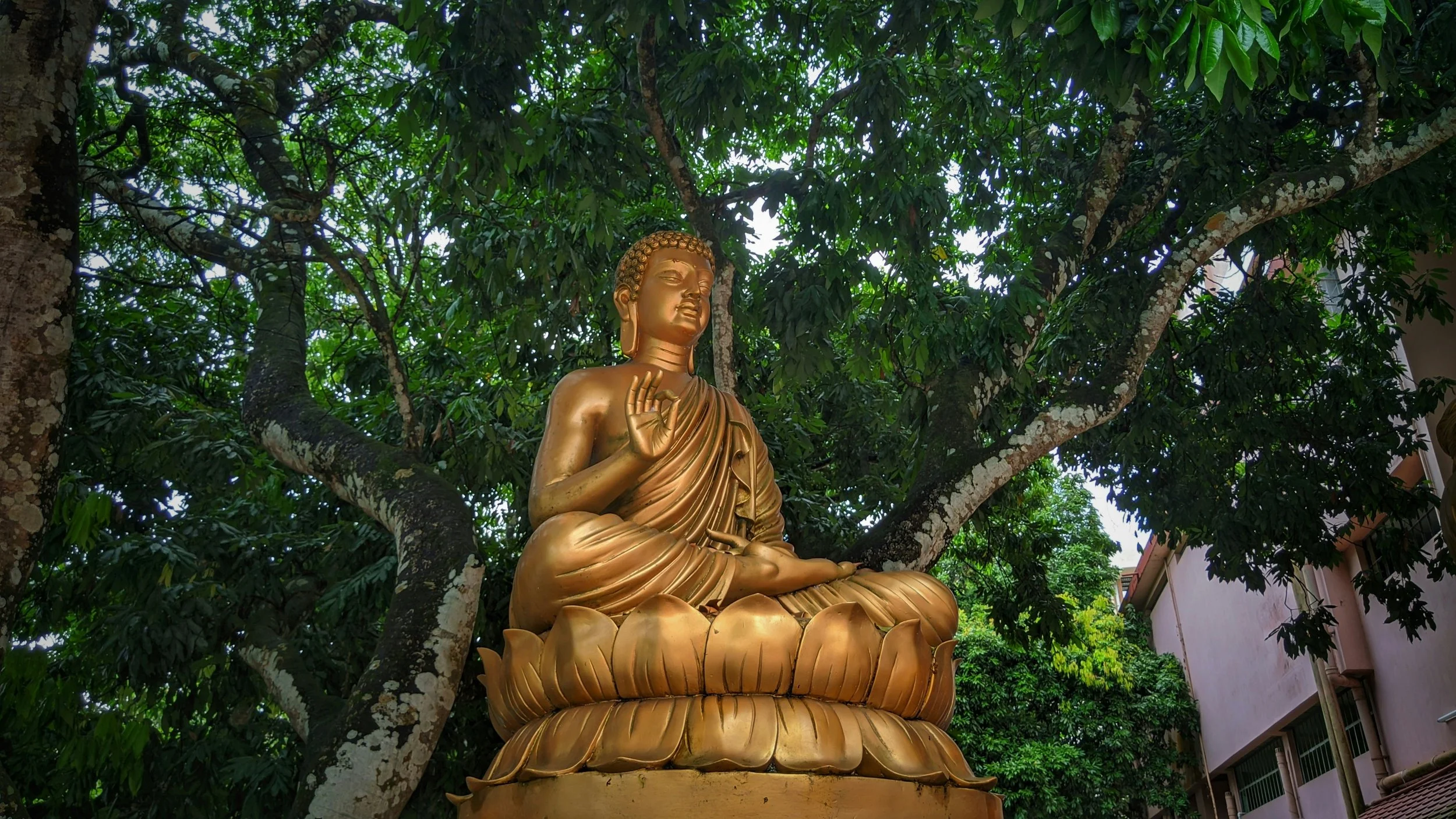
BUDDHA literally means “awakened one" or "enlightened one."
The path of Buddhism is the path to awakening or realization.
We awaken to our true self, which is one with all beings and all things.
The Buddha
BUDDHA also refers to the historical Buddha who lived in ancient India over 2,500 years ago. He is known as Gautama Buddha or Shakyamuni Buddha ("Sage of the Shakya"). Gautama is his family name; the Shakya are the clan of people he belonged to in ancient India.
What is Buddhism?
BUDDHISM describes the teachings of the historical Buddha that have been handed down and transmitted throughout the Asian continent and around the world during these past 2,500 years.
Buddhism also means the path to becoming awakened. The source of our suffering and unhappiness is our ego self. We have no one to blame but ourselves whether we live in happiness or misery. Seeing and recognizing the ego self as the cause of our suffering is the beginning of the journey beyond the ego self, to the world of oneness and awakening.
Over the history of Buddhism, various streams or traditions have emerged. These traditions may share common Buddhist practices, and may also differ inhow they practice or interpret the teaching
The Three Treasures
Fundamental to all schools of Buddhism is to take refuge in the Three Treasures
Buddha: our teacher
Dharma: the Buddha’s teachings
Sangha: the community of Buddhists
What is Shin Buddhism?
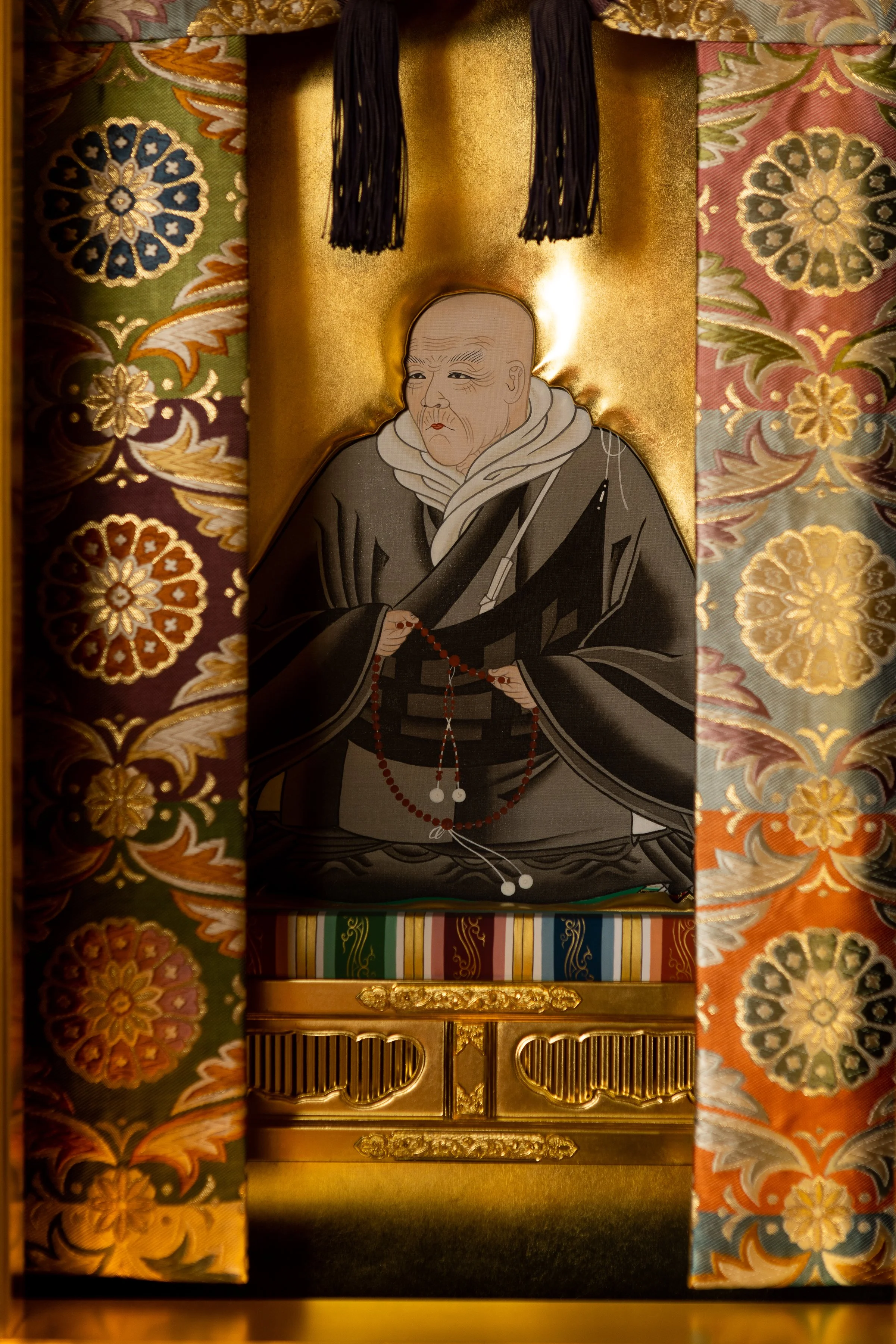
Shin Buddhism is a non-monastic tradition. The founder, Shinran Shonin (1173-1263), was one of the first monks in the Japanese Buddhist tradition to marry and raise a family, and called himself "neither monk nor lay person." Shin Buddhism is a family-friendly path that all ages can participate in together. Shin is the largest tradition of Buddhism in Japan and has been in America for over 120 years.
Shinran had a unique insight into Buddhism. For many years, he practiced monastic Buddhism in an attempt to lessen his ego self and attain enlightenment, but to no avail.
Shinran gave up striving for enlightenment and instead opened his heart and mind to receive the truth, the light of the Dharma. Through listening to the Dharma, the Shin Buddhist finds meaning, fulfillment, and insight in the joys and sorrows of everyday life.
What Is Shin Buddhism?
Shin Buddhism is a Buddhist tradition centered on listening deeply to the Dharma and awakening to boundless compassion. Shin Buddhism teaches trust, gratitude, and awareness of the wisdom that supports all life.
Who Is Amida Buddha?
Amida Buddha is the embodiment of immeasurable wisdom and compassion—always working for the liberation of all beings, without judgment or conditions.
What Is the Nembutsu?
The Nembutsu, “Namo Amida Butsu,” is not a mantra to gain something. It can be viewed as an expression of gratitude and a reminder that we are embraced by compassion just as we are.
How Is Shin Buddhism Practiced?
Shin Buddhism is practiced in everyday life. We gather as a Sangha to listen to teachings, reflect together, and support one another with kindness and respect.
A Simple Way to Remember
Shin Buddhism is about awakening to compassion, living with gratitude, and sharing that awareness with others.

