Rethinking the Meaning of “Okagesamade”
On Sunday, February 8, I was invited to the Dharma School Teachers’ Appreciation Lunch at Mrs. Knott’s Chicken Dinner Restaurant. We enjoyed the famous fried chicken, mashed potatoes, and signature boysenberry pie. This year’s theme was “Okagesamade,” often translated simply as “Thanks to you.” But is that all it means? Is it the same as “Arigatō”? Let us reflect on the subtle and profound difference between these two expressions.
Arigatō – 有難う(ありがとう)
Arigatō (ありがとう) is the standard Japanese word for “thank you.” Its literal origin means “it is difficult to exist,” suggesting that a kind act is rare and precious. Over time, it became our everyday expression of gratitude. When we say arigatō gozaimasu, we are politely thanking someone directly for what they have done for us. It is gratitude addressed to a visible person.
Okagesamade – お蔭様で
Okagesamade (お蔭様で) means “thanks to you,” but it carries a much deeper nuance. It expresses gratitude not only to a person in front of us, but also to the unseen support that sustains our life. Sometimes people say, “Okagesamade, arigatō gozaimasu,” layering visible and invisible gratitude together.
What is this unseen support?
The character “kage” (蔭) is fascinating. The character 蔭 contains the radical 艹 (plants). It suggests shade created by trees and plants. This differs slightly from 陰, which generally means a dark or hidden place. 蔭 specifically evokes the shady space formed by living trees.
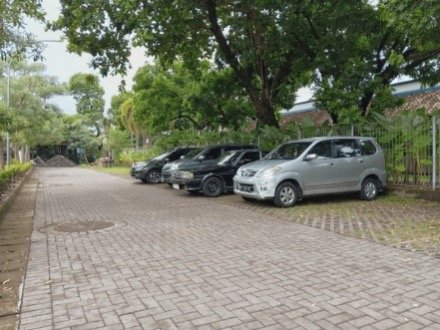
Imagine parking your car under a large tree on a hot summer day. The shade protects you. You did not create it. You may not even notice it fully. Yet it sustains and comforts you. This is “unseen support.”
In Buddhism, it is like taking refuge in the Buddha, Dharma, and Sangha. The protection is not dramatic. It quietly works in the background, like shade on a sunny day. When we say “Okagesamade”, we acknowledge this invisible working — protection, guidance, and countless conditions supporting our lives.
Our Shin Spiritual Protection
As Buddhists, we take refuge in the Three Treasures: Buddha, Dharma, and Sangha. These spiritual treasures cannot be purchased in any store. We encounter them through immeasurable karmic conditions.
In the teaching of Shinran, the Primal Vow of Amida Buddha embraces all beings without discrimination. By hearing and entrusting ourselves with open hearts, we awaken to shinjin — the settled mind of entrusting that never regresses.
This does not mean our problems disappear. We still live in the samsaric world of birth and death. Yet within this very life, we are sustained by the working of the Vow — like sitting in a cool, shaded place amid the heat. Is this not also “Okagesamade”?
The Ten Benefits
Shinran Shōnin teaches the Ten Benefits received in shinjin.
The first benefit is being protected and sustained by unseen powers.
The fourth benefit is being protected and cared for by all Buddhas.
The tenth benefit is entering the stage of the truly settled here and now.
These benefits are not visible like material possessions. They are the invisible working of the Buddha-Dharma awakening us to our true selves and true reality. When we awaken to this unseen compassion, our palms naturally come together. We recite the Name:
Shinran writes in his Jōdo Wasan:
When we say Namo Amida Butsu,
The countless Buddhas throughout the ten quarters,
Surrounding us a hundredfold, a thousandfold,
Rejoice in and protect us. (Jōdo Wasan #110)
Even if we cannot see this protection, it is there.
Invisible but It Exists
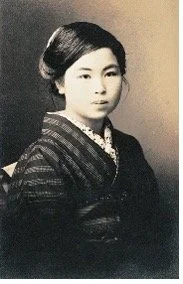
Let me close with the poem “Stars and Dandelions” by Misuzu Kaneko:
Deep in the blue sky,
Like pebbles in the sea,
Sinking until night falls,
The daytime stars are invisible to the eye.
They may be invisible, but they exist.
There are things that cannot be seen.
The dried-up dandelion,
Hidden silently in a gap in the tiles,
Until spring arrives,
Its strong roots are invisible to the eye.
They may be invisible, but they exist.
There are things that cannot be seen.
I would say that Amida’s Vow may be invisible. The working of the Dharma may be unseen. The countless causes and conditions supporting our lives may not be obvious. Yet they exist.
When we awaken to this reality, the words “Okagesamade” arise naturally from our hearts — gratitude not only to someone before us, but to the boundless, unseen compassion sustaining our very existence.
Namo Amidabutsu.
Rev. Dr. Mutsumi Wondra
