Making a Process for the New Year
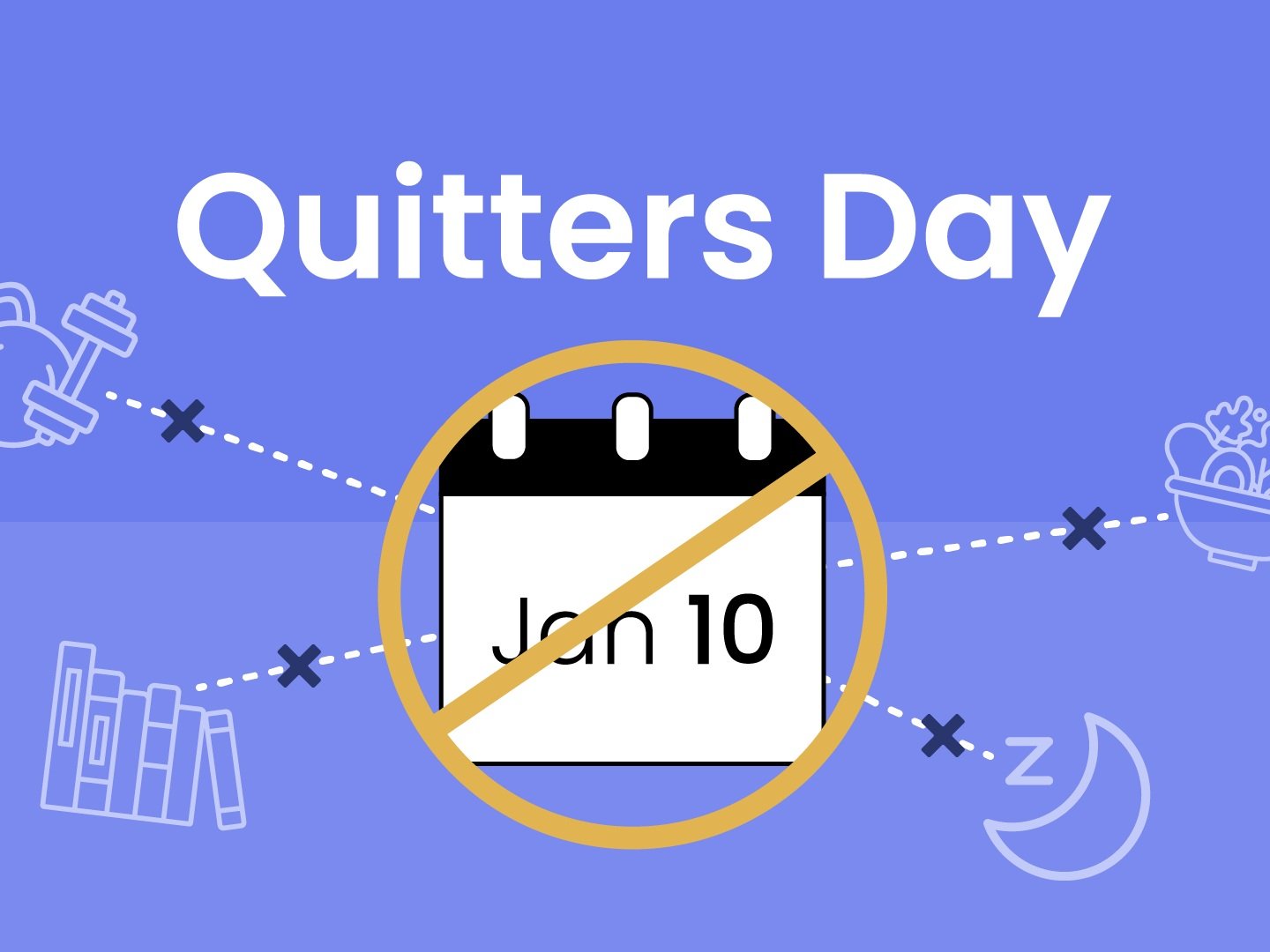
“Don't blame yourself, blame the plan. I think that we can change January 10th to no longer be ‘Quitter's Day’ but to be ‘Adapter's Day’” — Justin Hale
Every January, I notice a sudden increase in the number of runners in my neighborhood. The surrounding gyms and health clubs are also suddenly packed with nowhere to park. And then I remember that we have just celebrated New Year’s Eve. These are all the people who made resolutions to get healthy. Most will be gone by February; both the runners and the parking lots will have cleared out until next year.
This is because only about 8% of all New Year’s resolutions are actually achieved. There are two main reasons for this. First, a resolution is often goal oriented without any specific path or process defined on how to actually reach the goal. Second, the path is too difficult. Suddenly, running 5 miles a day is not enjoyable, and it relies too much on sheer will power. When will power fades so too does the new behavior.
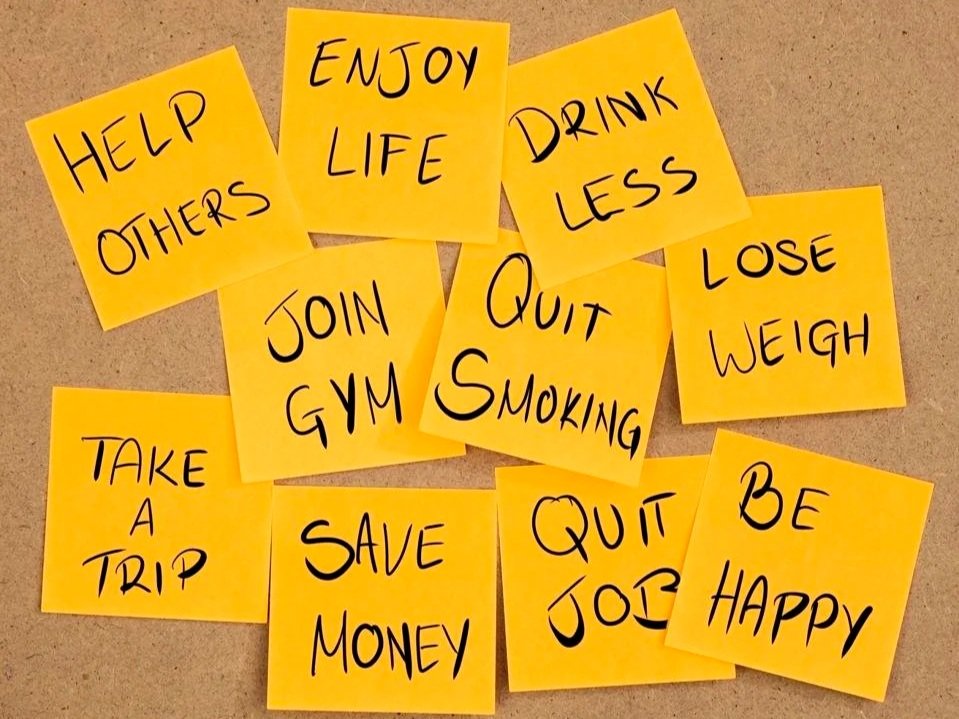
Goals are good for orienting us in the right direction and they also provide a feedback loop, but they are not a good way to actually make things happen.
“We tend to set goals that are tough to embrace because they are too ambitious or vague.”
“We often jump into resolutions without thinking about how we will achieve them. Saying "I'll eat healthier" is not as actionable as planning meals and making grocery lists.”
“The burst of energy from the new year fades fast; the initial excitement doesn't guarantee ongoing commitment.” — Nate Bennett, Forbes
Another approach is to focus on a process. For example, rather than vowing to get healthy, instead vow to walk your dog everyday around the block. This activity is so simple and easy that it requires very little effort. Over time this activity will naturally become a habit rather than a chore. You and your dog will want to walk rather than have to walk.
Creating new habits is actually how we change old habits. The mechanism for the solution is the same as that of the problem. When we find ourselves in the middle of a big problem, we often think that we need a big solution: a silver bullet, a home run. It is counter-intuitive, but our big problems are created over a long period of time due to very small, repeated habits. Problems sneak up on us in this way. New habits allow big solutions to also sneak up on us. Changes in behavior – both for the good and bad – occur after a behavior has become an effortless practice.
I found this very interesting because it helps explain why seemingly trivial Buddhist practices lead to profound changes. In our tradition, we listen to the teachings, we bow, we chant and we practice gratitude. I never really understood how something as trivial as saying thank you could be profoundly transformative. But that is the key. Trivial, effortless, easy practices are the only ones that can become habits. They require little or no will power. We actual call this the Easy Path. It has to be easy, or the behavior would not stick.
When I first started to attend OCBC, it took effort and sacrifice. But overtime I found that I had a better week after attending OCBC. I couldn’t explain it, but it was true. Slowly, attending OCBC became as effortless. I began to see OCBC as just another activity, one comparable to any other activity. Buddhism had become a habit for me. Having to attend OCBC on Sundays is like having to brush my teeth before I go to bed. Both are ingrained, effortless practices that have profound effects over time.
“Perfectionism is rigid. Surrender and acceptance are flexible. Flexibility is a portal into flow. Flow is where the beauty of this life resides." — Michelle Zarrin
Namuamidabutsu, Rev. Jon Turner
